Scientists discover ‘treasure trove’ at bottom of the ocean that could change the world
This new find could mean amazing things for our healthcare system
Scientists get super excited when they discover something they think will change an entire industry, and it looks like that’s exactly what’s happening in the Arctic.
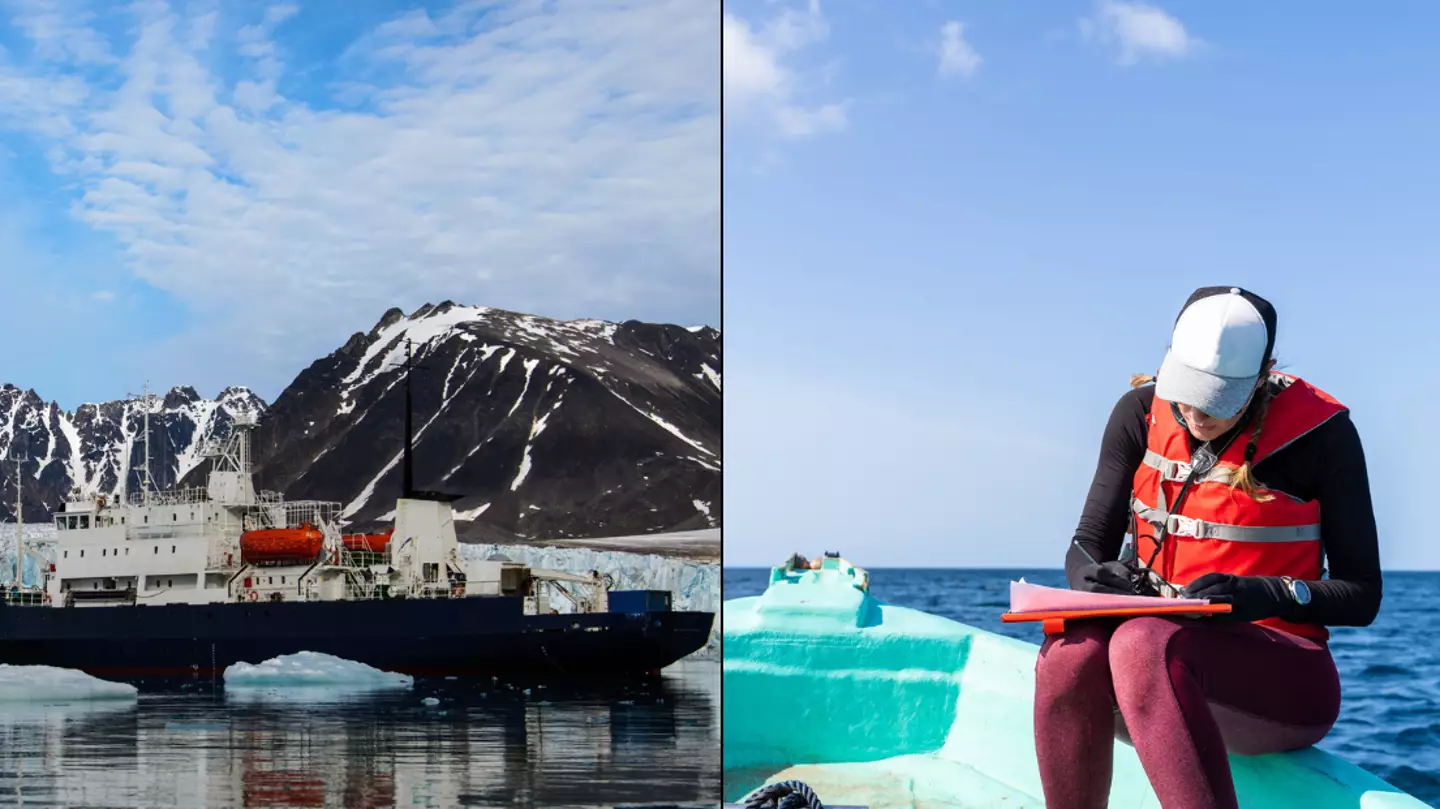
When scientists explored the depths of the Arctic Ocean, they were thrilled to discover something that could change our healthcare system for the better.
Scientists believe they’ve struck gold after discovering a cache in the ocean that could be a game-changer for antibiotic research.
This exciting discovery could mean that we might be able to treat dangerous viruses in the future.

Antibiotics are really important because they protect us from serious illnesses that could be deadly without the right medicine. That’s why it’s super important to have a steady supply of them available all around the world.
If we don’t take this seriously, we could all be in big trouble over something as silly as the flu, and we’ve seen that happen before in history.
Now that superbugs can get around our antibiotics, it looks like this could really happen again.
So, why could this Arctic find be so great for our health?
The new find could revolutionise healthcare (Getty Stock Image)
Researchers discovered some exciting new antibiotic options in deep-sea microbes that might help fight those viruses.
We all understand that antibiotic resistance is a problem for people, but it looks like diseases are starting to become resistant too.
So, this new antibiotic source could help defend us for a little while longer.
Although about 70 percent of the antibiotics we use are made from actinobacteria found in soil, we still haven’t explored other potential sources that might be hidden in various locations around the globe.
Professor Päivi Tammela, who is leading the study at the University of Helsinki in Finland, explained that their research demonstrates how advanced screening tests can find anti-virulence and antibacterial substances from extracts of actinobacteria.
We found a substance that stops enteropathogenic E. coli (EPEC) from being harmful, but it doesn’t stop the bacteria from growing. We also discovered another substance that does slow down its growth, and both of these come from actinobacteria found in the Arctic Ocean.
This might suggest that the antibiotic can reduce the harmful effects of the germ without causing problems for our bodies.
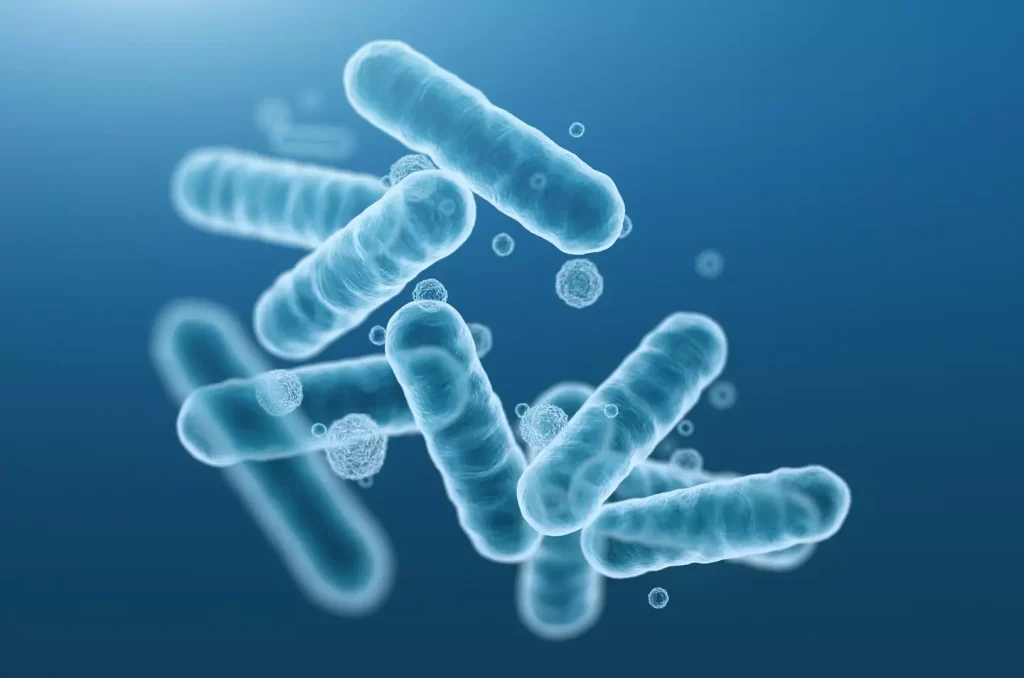
It could tackle antibiotic-resistant bugs (Getty Stock Image)
Professor Tammela and her team are currently studying the EPEC strain to explore the possible sea antibiotic because it is a nasty germ that leads to diarrhea in children under five years old.
The strain leaches off the gut, and injects ‘virulence factors’ which take over cells and kills them.
In 2020, scientists collected samples of four kinds of actinobacteria from invertebrates in the Arctic Ocean. They wanted to see what would happen if they grew these bacteria and tested them against EPEC.
They found that the bacteria were able to hold its own, making it a real contender for medicine.
Professor Tammela said that the next things to do are to improve the conditions for growing the cultures to make more compounds and to separate enough of each compound so they can figure out their structures and study what they can do biologically.
The research has been released in the Frontiers in Microbiology magazine.
Featured Image Credit: Getty Stock Images


